- © 2026 Annapolis Home Magazine
- All Rights Reserved

Story and Photography by Ankie Barnes
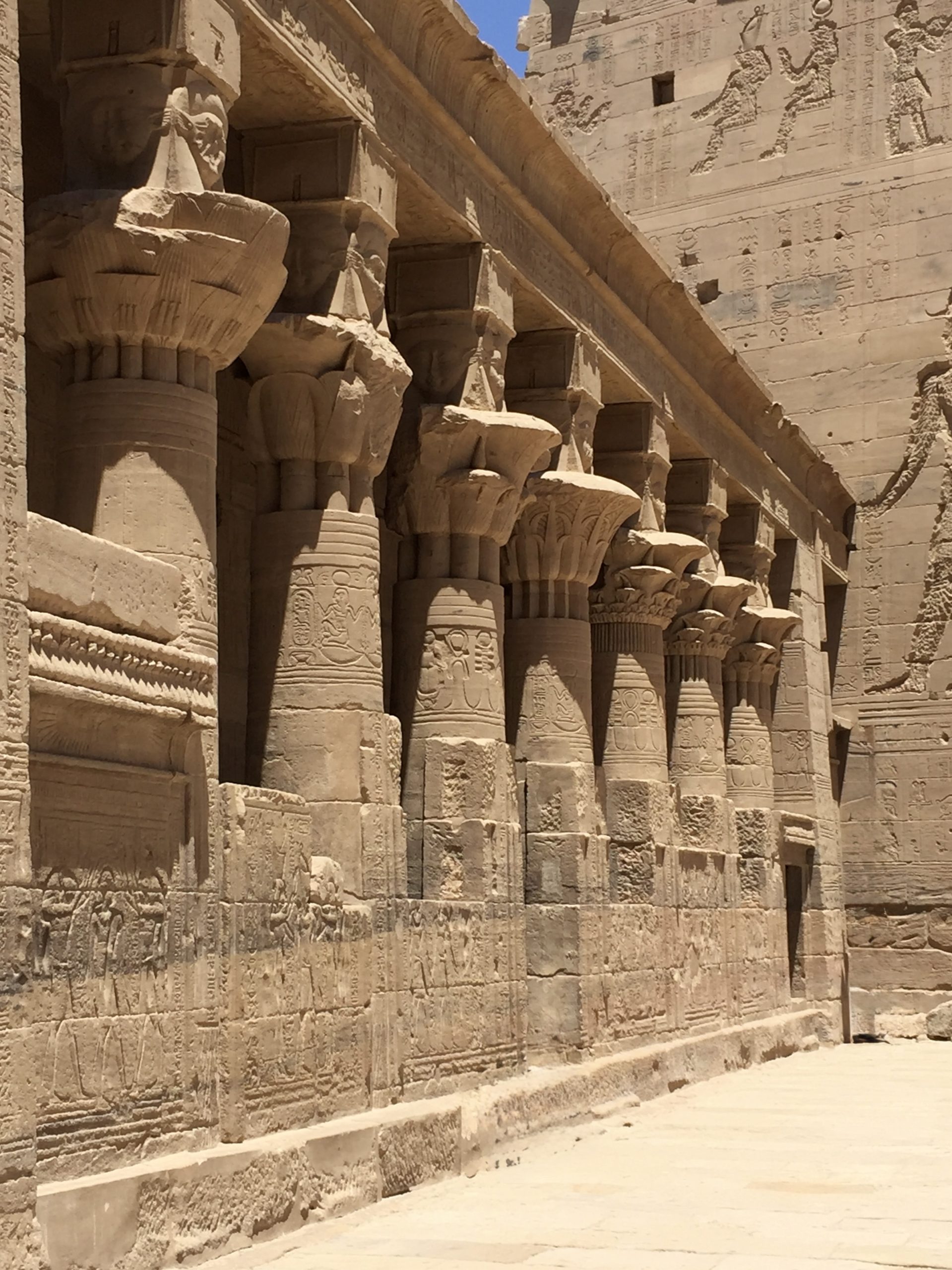
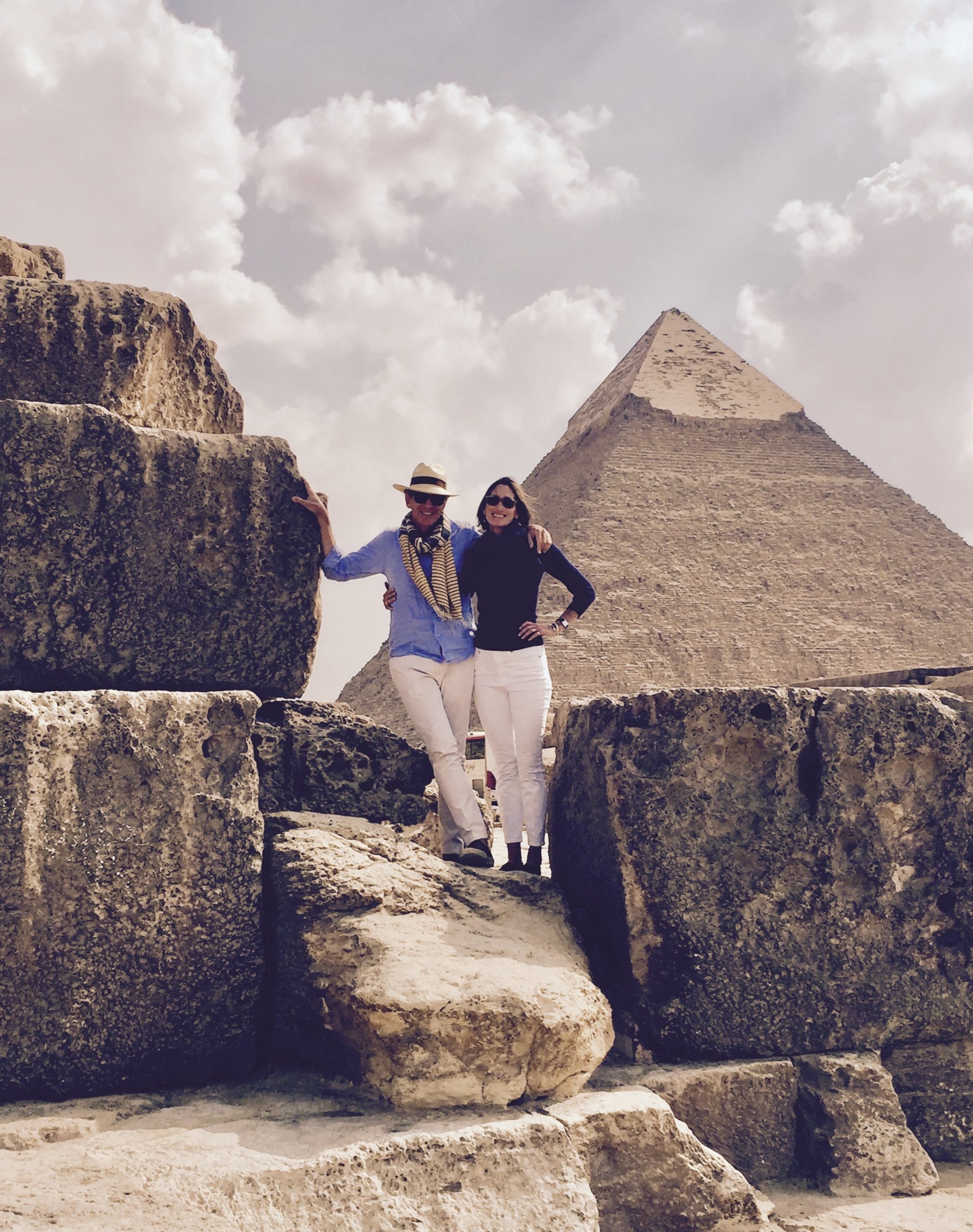
As an architect and designer, I have always believed that travel is the ultimate inspiration. Exposure to other cultures, ways of building, and the use of materials and light continually informs one’s own sensibilities. I thought I’d share a few observations from a favorite trip I made to Egypt in 2015. My wife Fran and I were lucky to be among two dozen architects and designers invited to travel there, the trip organized by dear Egyptian friends.
Ancient Egypt fascinated me as a boy, as a young architect, and it still does now. The extraordinary monuments, the knowledge of mathematics, geometry, physics, and astronomy, and the fascination with ritual and order are all still evident in the ancient architecture that remains. They were building these huge monuments that still survive between 700 and 4,000 years ago. Apparently, we have recovered perhaps only 30% of what the ancients there knew.
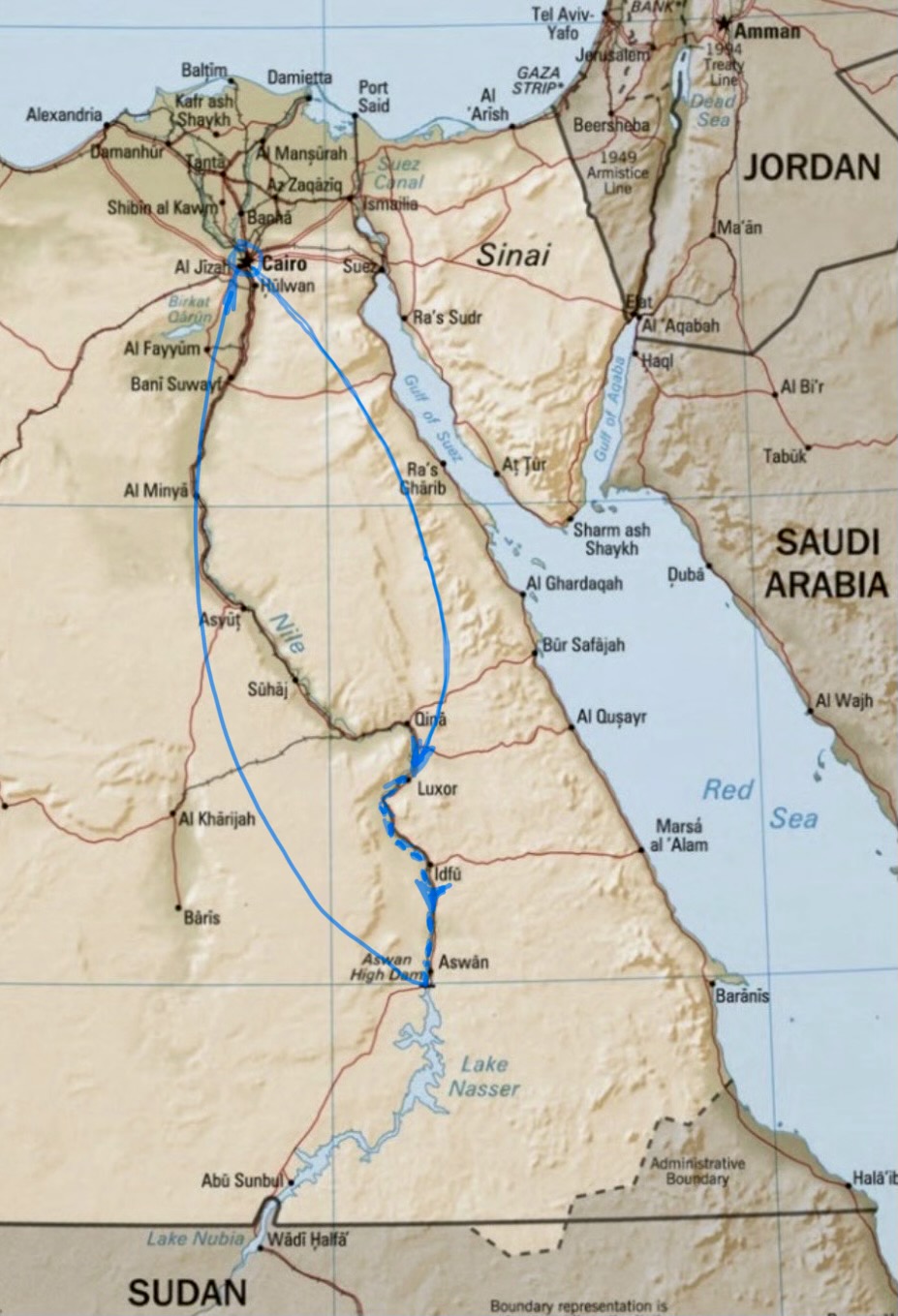
We started our trip, as most travelers do, in Cairo, the big draw there being the bustling life of the modern capital itself and the Great Pyramids. While en route to the pyramids, I was amazed by my first glimpse of the Pyramid of Giza (Cheops) between modern apartment buildings! Greater Cairo has now grown around the Great Pyramid complex on three sides, with only one side remaining open to the desert. The Great Pyramid itself is still the largest solid man-made building in the world: built of huge tan limestone blocks and once clad in a smooth white limestone. (Some remains on a neighboring pyramid.) As a lifelong sufferer of claustrophobia, I was never sure I would be brave enough to enter the pyramid. But we took a deep breath, then hunched down and climbed up into the King’s Chamber in the heart of the pyramid, the walls and ceiling of which are lined with black granite from hundreds of miles further up the Nile. Once inside, one is unaware of the crushing weight of the rock above. Outside, the majestic Sphinx, entirely carved out of a small limestone hill, stands in silent witness to the accomplishments these extraordinary structures represent.
After Cairo, we flew up to Luxor to start a 140-mile riverboat trip upriver to the Aswan dam. This beautiful stretch of the river contains most of the important remaining temples and funerary structures of ancient Egypt.
Aside from the funerary architecture noted above, the grand ceremonial temples that remain were intentionally not built on the vulnerable, regularly flooded banks of the Nile, but in the rocky, dry, hilly areas near them.
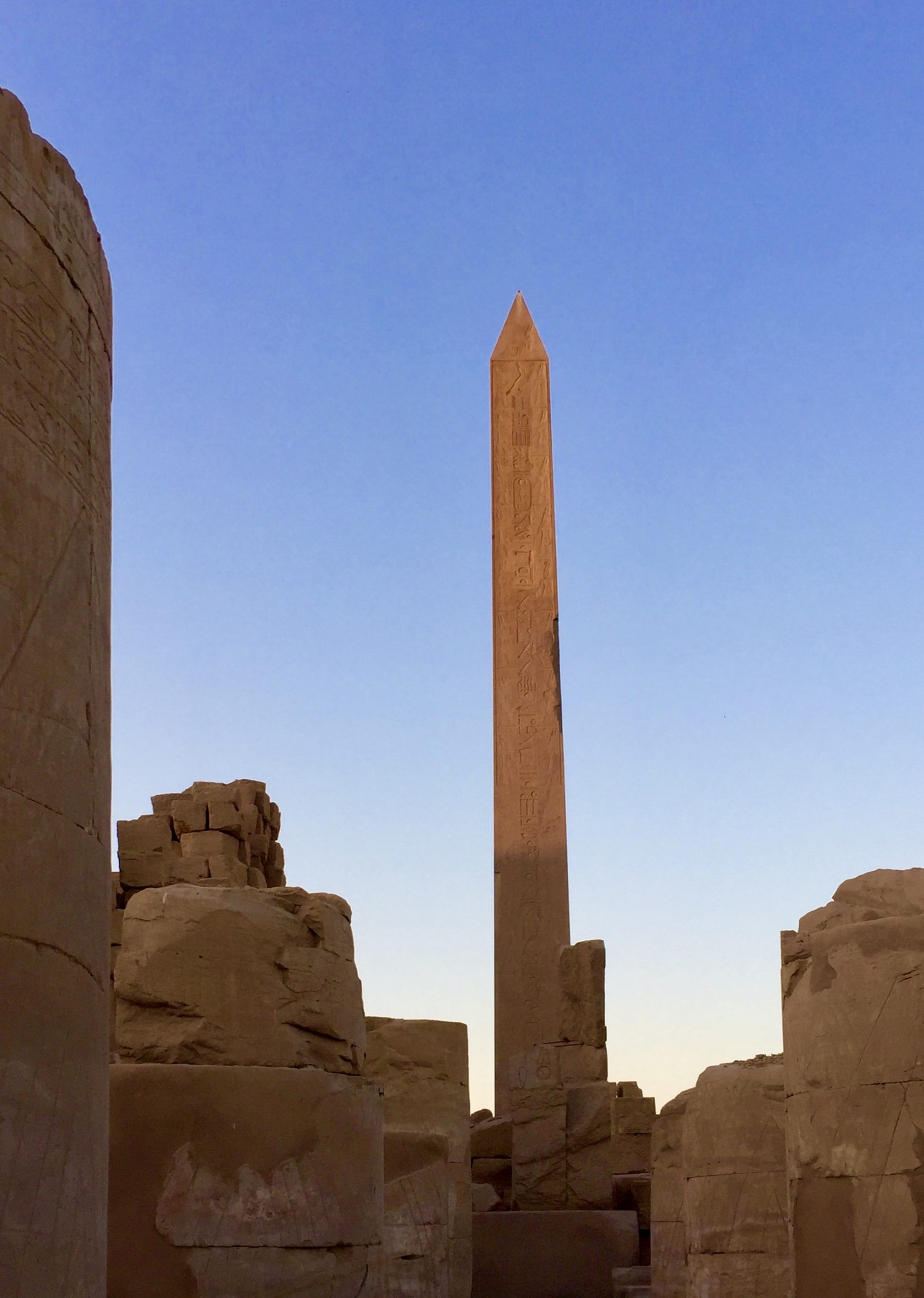
To me, the most impressive among these are the temples of the Karnak temple complex at Luxor, sprawling over 250 acres and built over a 2,000-year span. The temple plan with its hypostyle hall and, later, its celestially-based, slightly angled axial courtyard extensions always fascinated me. The architecture is varied and imposing: the huge battered walls of the pylon gates flanking the entry axis set the scene; the lone pink limestone obelisk connects the complex to the sky (the companion obelisk is now at the Place de la Concorde in Paris); the soaring columns of the hypostyle halls are more massive than I had ever imagined; and the 2km-long solar-axis pathway connecting the two main temple complexes lined with sphinxes completes the scene.
The profusion and variety of columns here make one think of Classical Greece and Rome. The almost 1,000 years of overlap between these cultures is evident in some classical elements one sees here, such as the fluting in columns here and in papyrus and lotus-leaf elements one sees in classical capitals. (My favorite of these is found in the capitals of the Tower of the Winds, which stands at the foot of the Acropolis in Greece, where the papyrus leaves of Egypt combine with the acanthus leaves of Greece.)
Luxor, the Valley of the Kings, and the Valley of the Queens are all in the precinct of the ancient capital of Thebes. The 1922 discovery of the treasure-laden tomb of King Tutankhamun showed how richly appointed these burial sites were, complete with all the equipment and support that a deceased ruler might need for a long journey in the afterlife, which made them irresistible to grave robbers. So, in later dynasties, in the Valley of the Kings, the rulers chose to conceal many of them in underground rock-cut tombs.
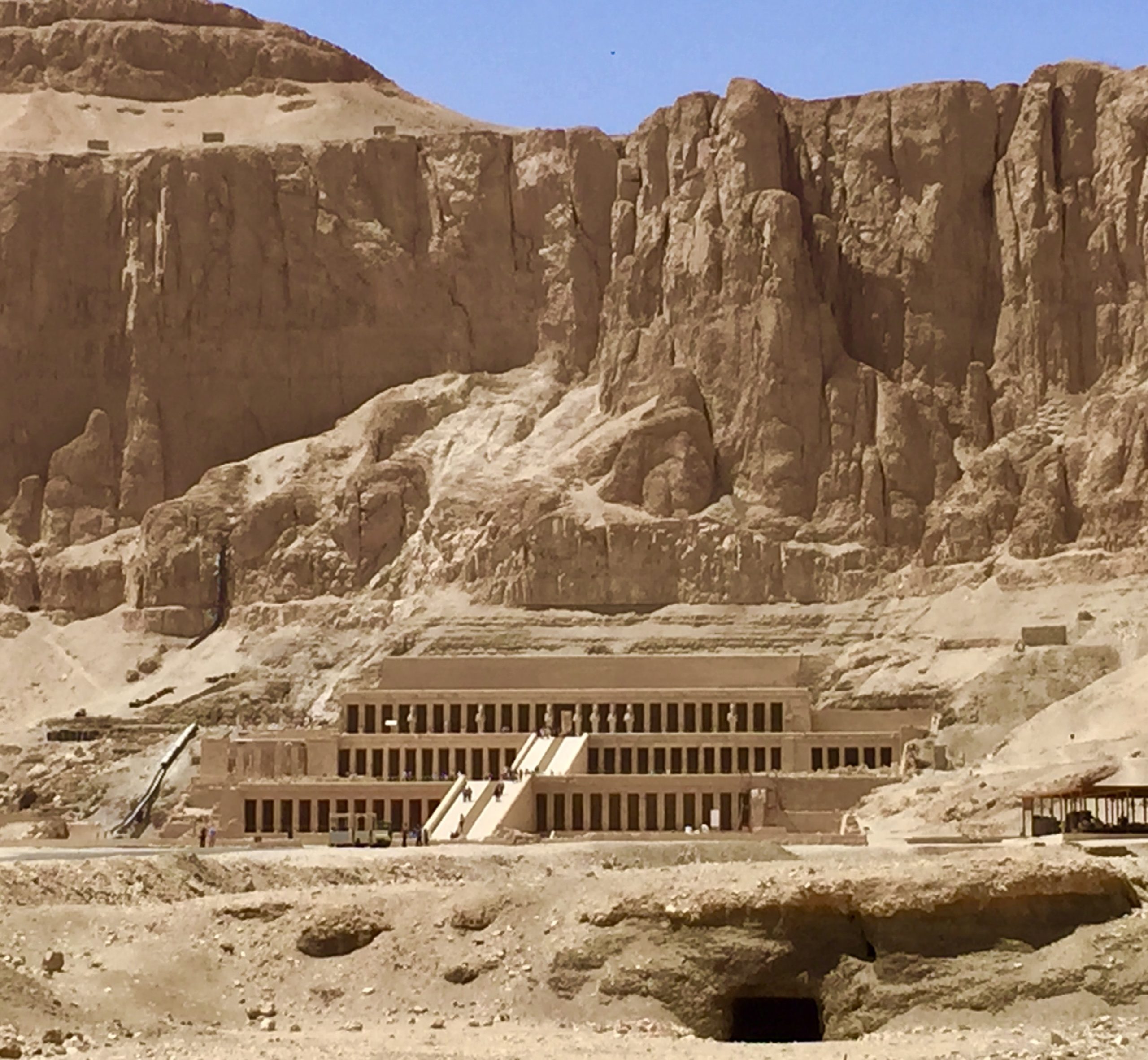
The underground tombs are intricate and fascinating, but my favorite in the area was the above-ground funerary complex of Queen Hatshepsut. Unlike the other remarkable vertical funerary monuments built by the male rulers, her tomb complex relates beautifully to the landscape: it comprises three set-back layers of columnar terraces connected by a central ramp, a formal tribute to the rugged limestone hill into which it is built. The monumental statues of the Queen in the form of Iris flanking the openings on the terrace surprisingly soften and humanize the vast scale close-up.
The trip up the Nile between temple site visits has its lazy allure: the various sail-driven watercraft and farms lining the green banks of the river (banks that vary between 300m and 12km wide) seem to be stopped in time. The river trip terminates at the vast and wide Aswan Dam. The storied Old Cataract Hotel is still the place to stay here. It’s both exotic and comfortable, and one gazes down at the Nile, still dominated by the pace of its stately dhows.
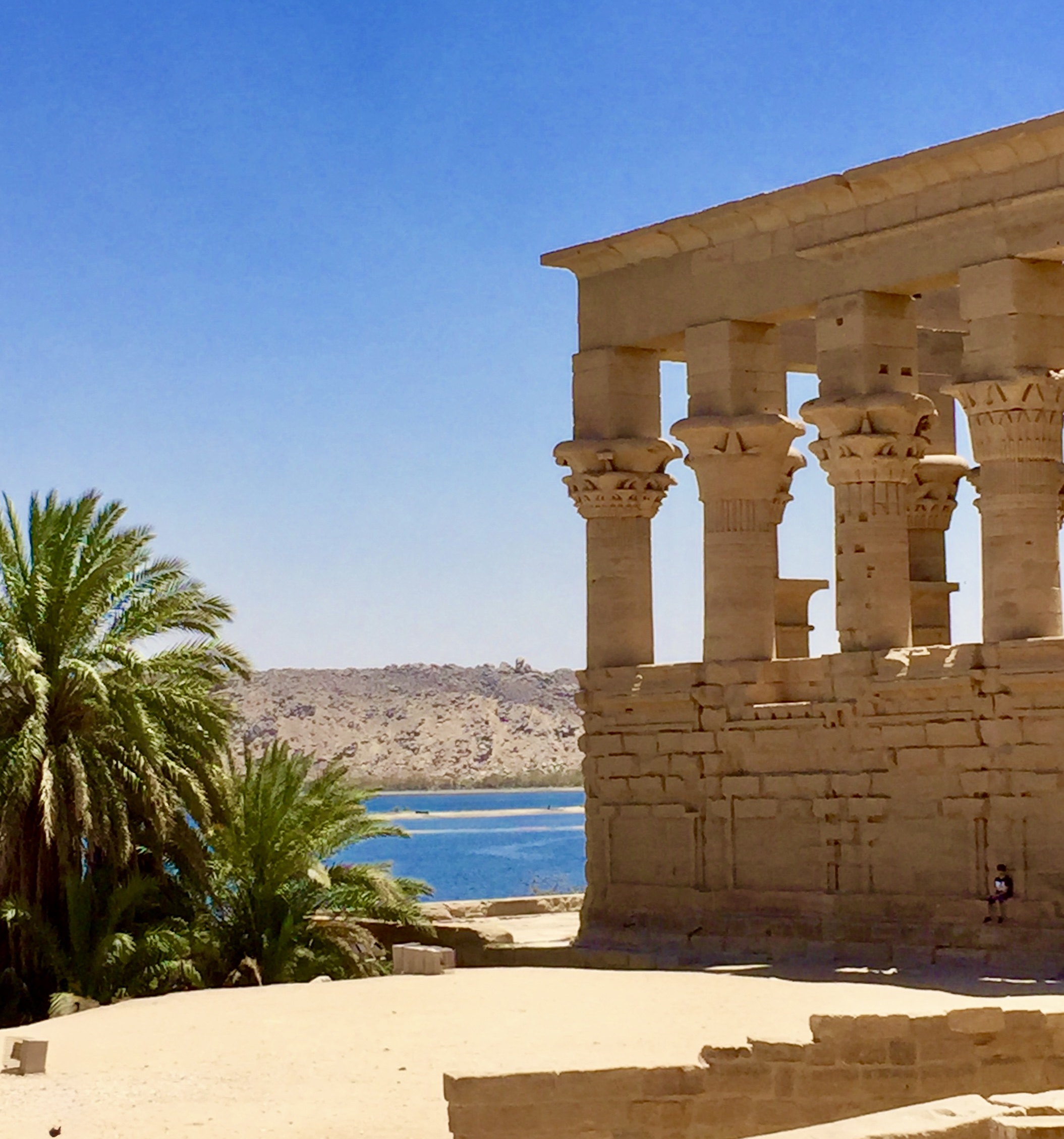
The gift of reliable water and power offered by the dam came at the expense of the flooding of numerous towns, temples, and tombs. Luckily, an international outpouring of concern and money as the dam was being built meant many temples were raised up and saved, and others were gifted as thanks to the saviors, such as the Temple of Dendur, now at the Met in New York. (For more on this remarkable story, read Lynne Olson’s “The Empress of the Nile” about the French woman archaeologist who led this effort.)
Our last stop was to visit the saved Philae temple on its small island. Seeing the temple now picturesquely surrounded by the blue waters of the dam rather than the tan desert hills in which it was built reminds one of this great accomplishment. My favorite motif there is the row of stone cobras lining the entry to the temple—ready to strike if provoked. The wily, wise, and beautiful Cleopatra ostensibly committed suicide by voluntary cobra-bite. A sad end to her remarkable 18-year liaisons of both passion and power that linked Egypt with Rome.
Egypt, both ancient and modern, is unforgettable and unique; I recommend planning a trip!
Anthony “Ankie” Barnes, Faia, Leed Ap is the founder and principal of BarnesVanze Architects and is a native of Johannesburg, South Africa.
© Annapolis Home Magazine
Vol. 17, No. 6 2026