- © 2026 Annapolis Home Magazine
- All Rights Reserved

by Kymberly Taylor
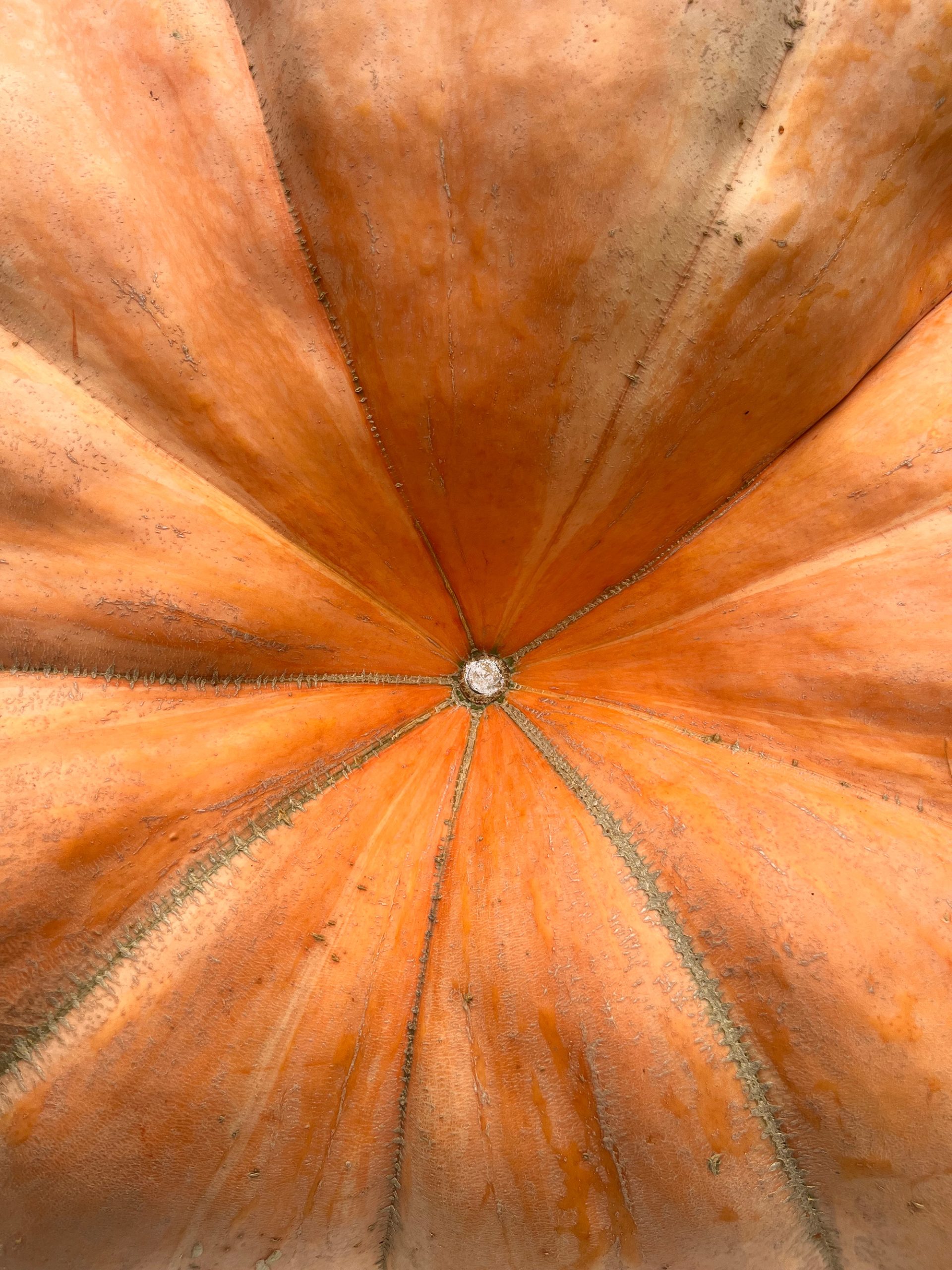
The pumpkin has inspired the human imagination for over a thousand years. Perhaps the most famous great pumpkin comes from the story Cinderella, in which the fairy godmother magically transforms an ordinary pumpkin into a grand horse-drawn coach to sweep Cinderella away to the Prince’s ball. Appearing in myths, folklore, and popular culture, from jack-o’-lanterns glowing at Halloween to Charlie Brown’s “The Great Pumpkin,” this tasty squash has become an almost universal symbol of autumn, abundance, and the earth’s great diurnal shift, its twin strands of abundance and magic woven into our very identities.
This is not an accident. Archaeologists tell us that the common orange field pumpkin, Cucurbita pepo, has been with us since our very beginnings: seeds and fragments found in Oaxaca, Mexico date back to 7000 B.C. Originating in North America 9000 years ago, the pumpkin was cultivated by indigenous peoples who used its flesh, flowers, seeds, and roots for food, clothing, and medicines.
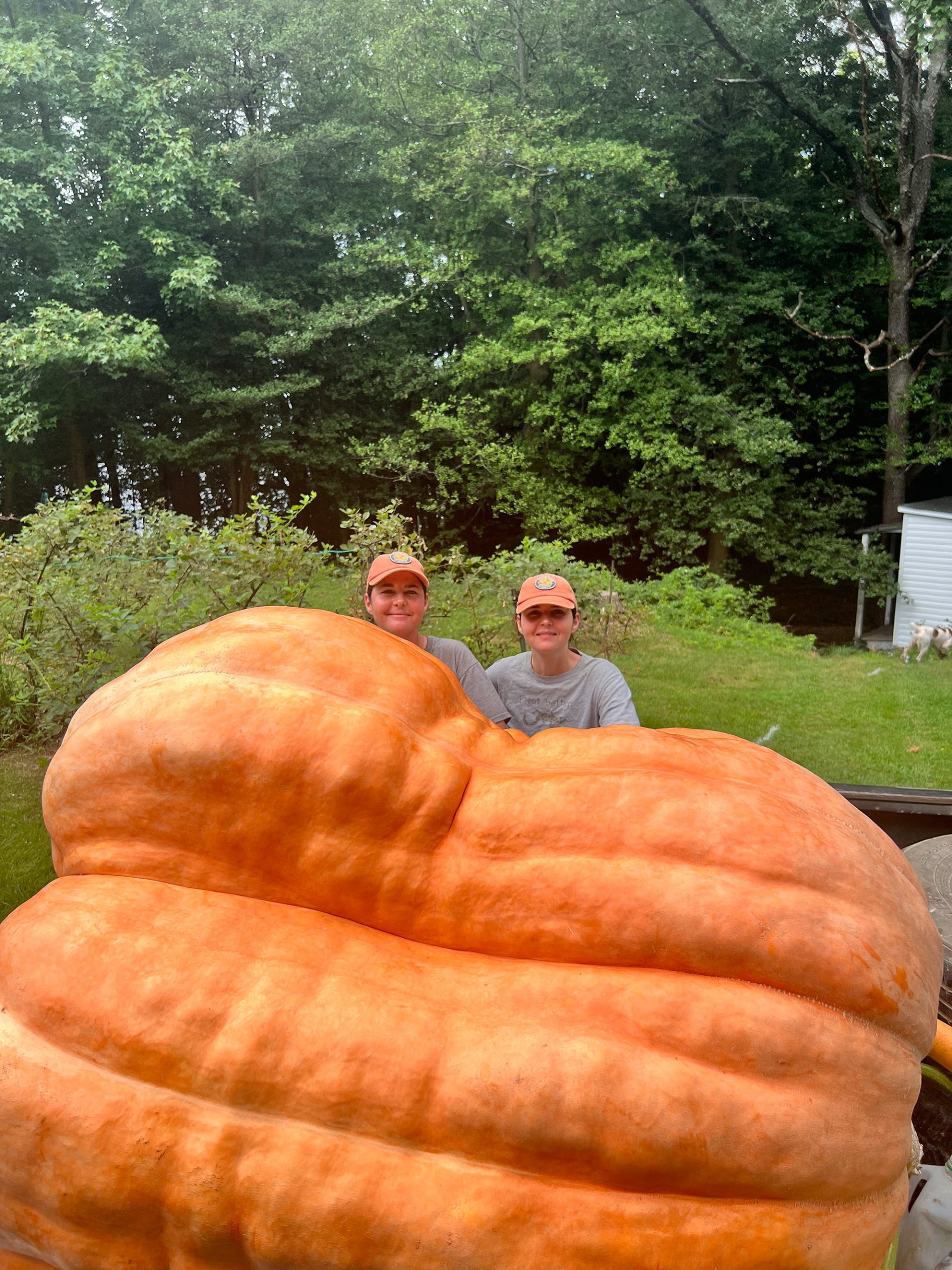
A deep appreciation of the pumpkin’s many virtues continues today. In fact, there is a vast leafy underworld of amateur giant pumpkin growers. They cultivate Cucurbita maxima, or “Atlantic Giant,” spending countless hours and thousands of dollars to coax tiny seeds and tender lemon-sized fruits into voluptuous behemoths weighing well over 1,000 pounds. They will be displayed for a few glorious weeks—usually at county fairs and farm stands—only to vanish until the following fall.
Growing a giant pumpkin is, frankly, not for the faint-hearted. This fruit, almost 92 percent water, has a complex vascular system, a rapid growth cycle, and is prone to rot, so it needs to rest upon sand and foam as it grows. Vulnerable to disease, this surprisingly delicate gourd requires protection from wild animals, insects, and, paradoxically, the sun, which can harden its shell and encourage cracking. Many growers build “shade huts” around their pumpkins to keep them cool and shield them from intense UV rays.
These range from a simple bedsheet thrown over a few poles to bespoke structures composed of plywood and metal to fully insulated weather-controlled greenhouses built by elite competitive growers desperate to produce pumpkins that weigh a thousand pounds or more.
There is a moment when a casual “project” gardener crosses a line and ventures into the realm of hand-pollination to control genetics and produce seeds for next year. Because the female flower only blooms for one morning, time is of the essence; the flower is most receptive between sunrise and 10:00 a.m. The ideal temperature for pollination is around 70 degrees. If pollination day is too hot, a grower may create a temporary shelter to ensure perfect conditions. A Styrofoam cooler can be turned upside down and packed with an ice bottle, with holes cut out for the vines.
A Family Affair
This past summer, I learned about pumpkin growing firsthand from my sister Lauren Tompkins. I strolled down my parents’ driveway and was startled by a giant pumpkin rising next to the blackberry patch. This was no ordinary gourd—far from it! Occupying its own private plot, the pumpkin, named “Elphaba,” was wrapped in a bed sheet, placed on a foam bed covered with sand, and surrounded by six spinning whirligigs in rainbow shades to scare off deer.
Throughout the growing season, approximately May through September, Lauren and our mother, Marianne Taylor, visited Elphaba almost daily. As Elphaba grew, she was spritzed with water, sprayed with insecticides and fungicides, and examined for signs of boring insects and rot. Every day, Lauren placed a can of Fanta orange soda a quarter inch away from her side to measure her progress. “Pumpkins grow rapidly, about a quarter inch every 24 hours. If all is going well, the sides of the pumpkin should be touching the can by the end of the day,” Lauren explains (who happens to love orange soda).
During these visitations, something else was happening—the pumpkin had become part of the family. “The pumpkin has power… I speak to her, and she speaks to me,” reflects Marianne. “She gives me energy and love. I cried when they cut her stem to take her away.”
Lauren’s dive into pumpkin growing was inspired by her twin daughters, Teal and Lindsey Quinn. The twins’ special love of pumpkins started many years ago, when as children they visited pumpkin patches every fall with Lauren. “She let us buy the biggest pumpkin we could find,” says Lindsey. “We had no idea she was paying by the pound.”
When Teal closed on her first home in 2016, Lindsey, who owns a farm in Guernsey, Iowa, sent her giant pumpkin seeds as a housewarming gift. “I had no idea what I was doing,” reflects Teal as she planted her first pumpkin. Unfortunately, a squash vine borer, a kind of wasp, slowly devoured the whole plant from the inside out. “You have no idea it is there until its leaves start drooping… then you find out that it’s completely wiped out the vascular system of your plant,” she recalls.
Teal experimented for several years. Finally, drawing on the wisdom of a popular Facebook group called “Giant Backyard Pumpkin Growers,” she grew her first 315-pounder. “I just thought it was the best thing ever… I had to do it again.” She convinced Lindsey to try too, and the bet was on.
At first, Lindsey swore she would not “baby” her pumpkin like Teal had. “I dropped a seed in a hole and waited for it to grow,” she recalls. A few tendrils emerged but were demolished by a derecho, a violent hurricane-strength wind that sweeps unhindered across the Iowa prairies, often in the summer.
The next year, things looked promising until a deer ate half her pumpkin. Another year, her cat Finnegan peed in the sand her young pumpkin was resting on, creating an unpleasant odor that dampened her enthusiasm, to say the least. Yet, she persisted. In fact, over the past several years, Lindsey has torn up her front yard with a farm-grade tractor, built “pumpkin huts” to keep her crop cool, and rigged a solar-generator-operated fan to cool the trouble spots (stem, blossom, and stump). For good measure, she added an automatic gas fogger that sprays fungicide and insecticides at timely intervals. This year her diligence paid off. Her grand pumpkin, named Gravy Boat, peaked at 913 pounds.
The Big Weigh-in
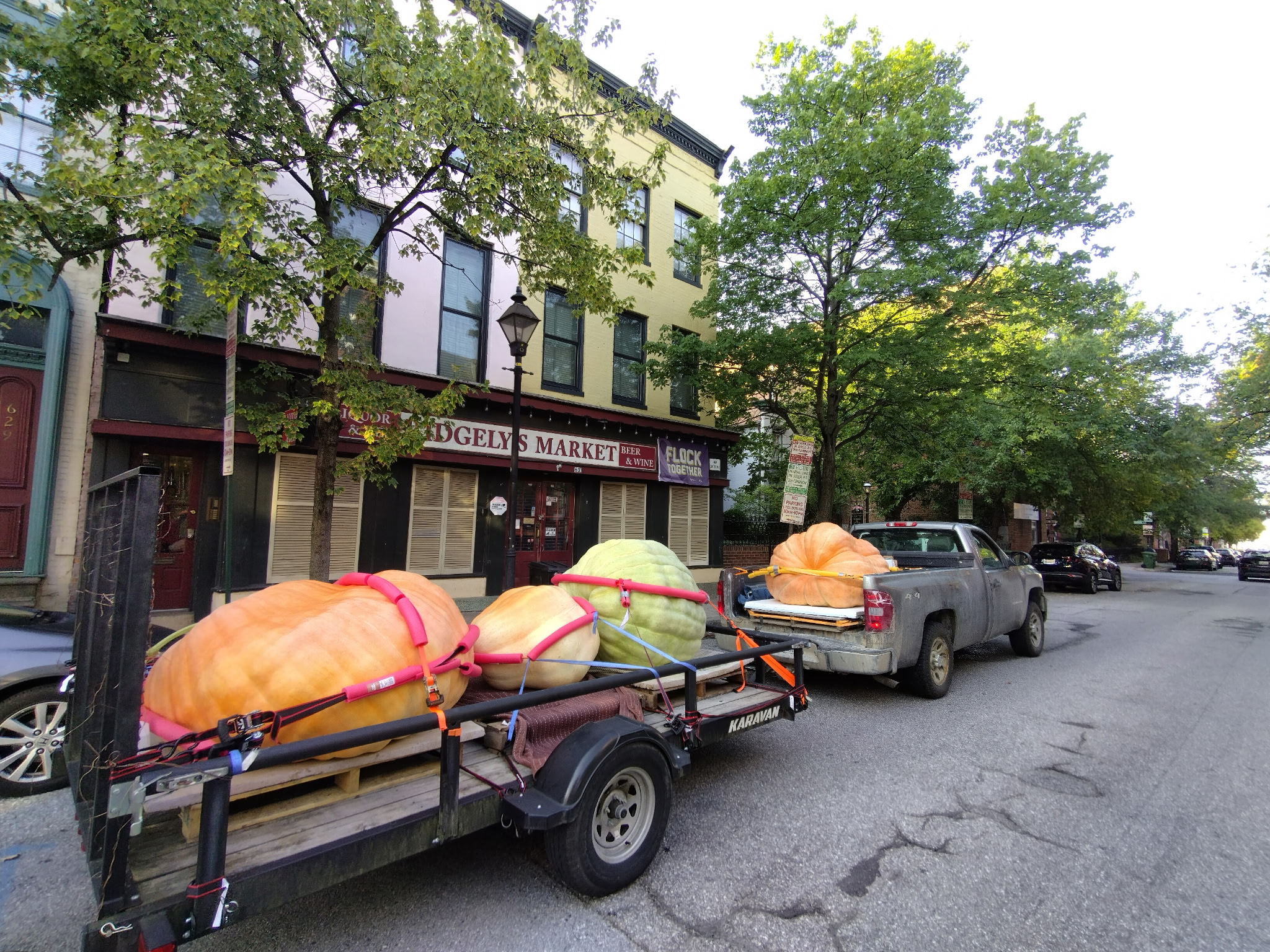
During the first week of September, I arrived just in time to witness the feverish harvest and loading of Elphaba and the mad dash to a “weigh-in” at the Woodstock Fair in Woodstock, Connecticut. (Once a pumpkin peaks, it can deteriorate rapidly, so it must be rushed to the nearest “weigh-in.”) A couple of days before, Lindsey drove Gravy Boat from Iowa down to Maryland in her mud-caked pick-up. The plan was to collect Teal’s giant pumpkins, named Princess Donut and Growler Gary, and Lauren’s Elphaba, and haul all four to Woodstock Fair.
After safely loading their specimens, their unique “caravan” made the nine-hour drive. Luckily, all their hard work was rewarded. Teal’s Growler Gary won 8th place at 915.5 pounds and set the new Maryland state giant green squash record. Lindsey’s Gravy Boat, at 913 pounds, won 9th place. Elphaba weighed in at 319 pounds, and Lauren won a blue ribbon for “Top First Year Grower.”
No fairy godmother waved a wand and created these great pumpkins. But Atlantic Giants, coached and nurtured to the extreme by devoted growers, have a magic of their own. They continue our fascination with the pumpkin, from the small, humble ones like Munchkins and Jack-be-smalls, to the titans that inspire awe and wonder. Lauren, Teal, and Lindsey are not just growing giant pumpkins with unusual names; they are participating in the greater movement to perpetuate the genus while keeping a rich folk cultural tradition alive. They are also helping to fulfill the pumpkin’s greater destiny: to appear before us, magical to behold, and change us, if only for a moment.
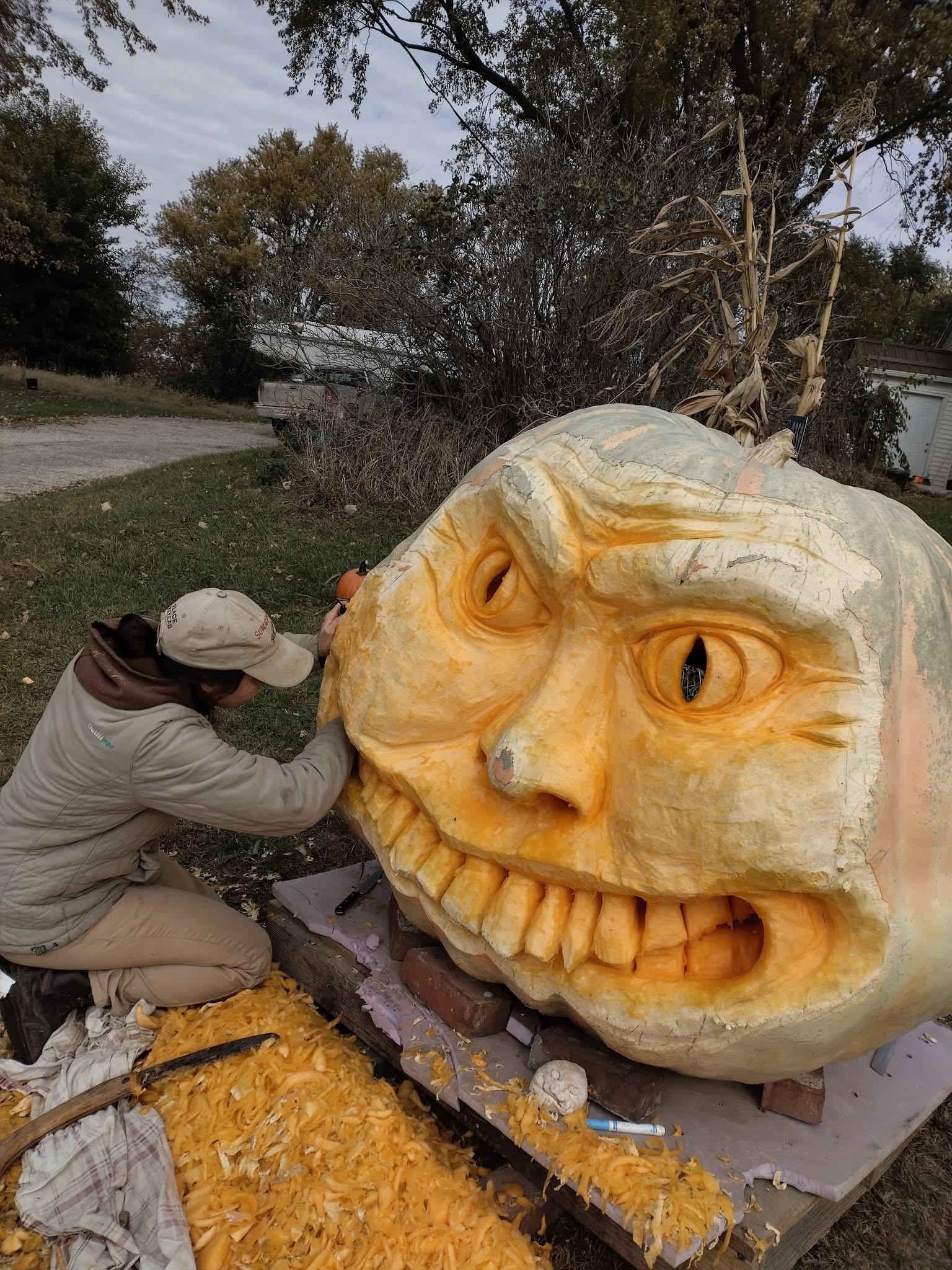
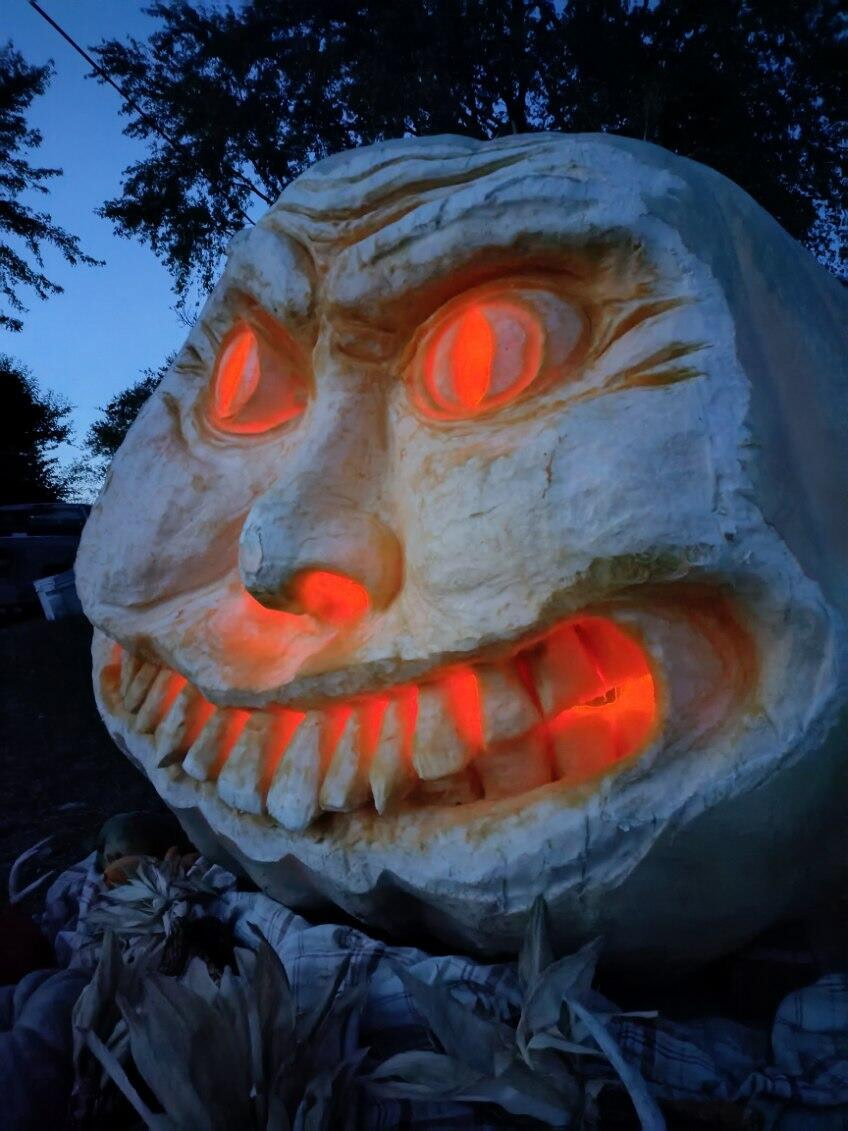
Note: As of this writing, Ron Wallace grew a 3,156- pound pumpkin, setting a new world record!
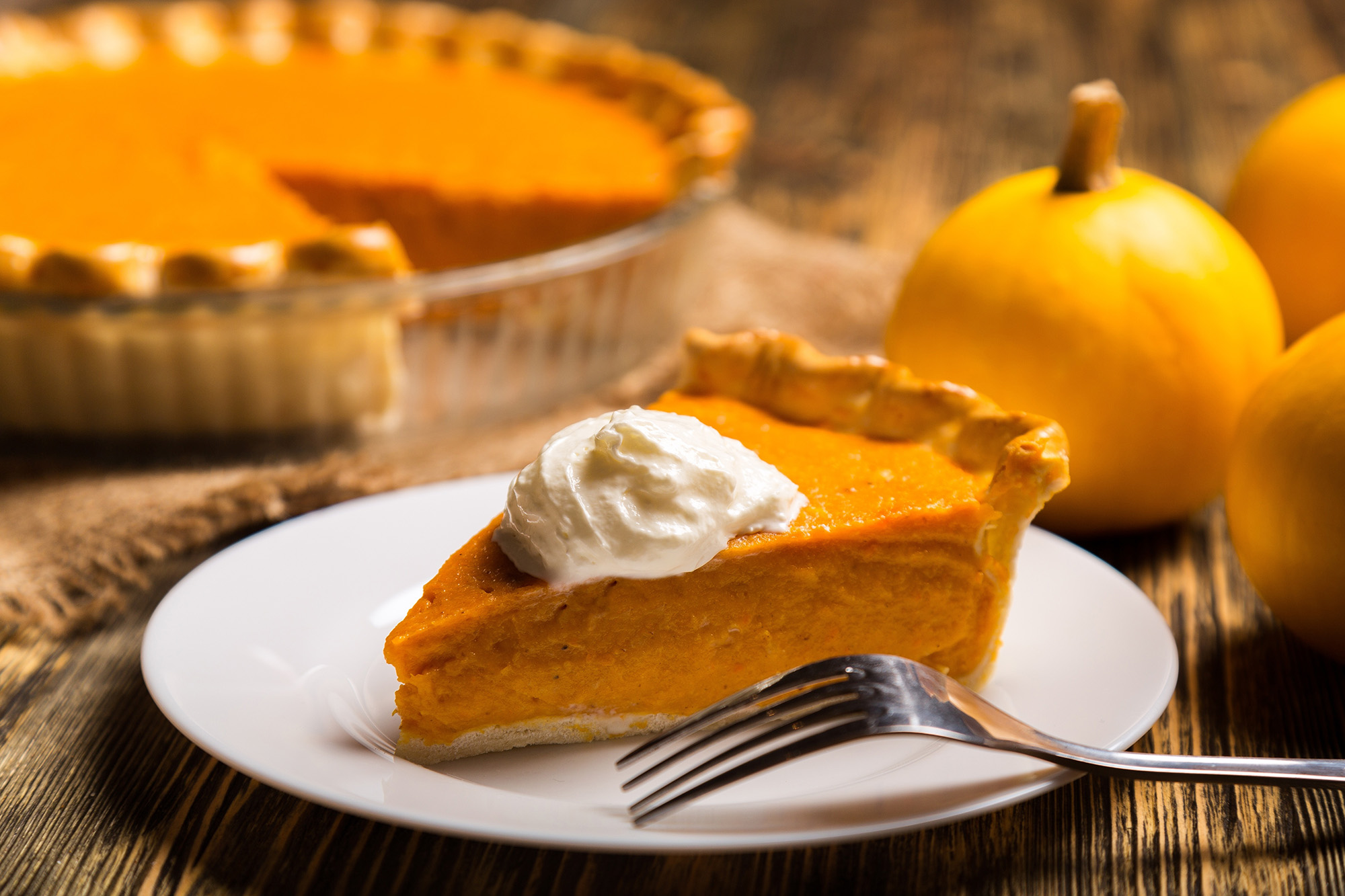
1 1/4 cups all-purpose unbleached flour
1/4 tsp. salt
1 1/2 sticks of butter at room temperature
4 tablespoons ice water
Cut butter into small slices using 2 knives. Add flour and salt. Using the knives, continue to work the dough until small crumbs start to form and the dough starts to come together. Add an extra tablespoon or two of water if you need to. Form into a ball. Roll out.
1 medium pie pumpkin
1 can evaporated milk
2 eggs, beaten
1/2 tsp. ground cinnamon
1/2 cup brown sugar
1/2 tsp. ground ginger
1/2 tsp. ground nutmeg
1 pint of heavy whipping cream (for topping)
Place whole pumpkin on a cookie sheet. Stab with fork several times. Bake for one hour at 375º F or until completely cooked. It is very important to cook it thoroughly until the flesh has the consistency of butternut squash. Test by sticking a fork into the pumpkin. Cut pumpkin in half, remove seeds, and spoon flesh into a mixing bowl. Add evaporated milk, eggs, brown sugar, cinnamon, ginger, and nutmeg. Mix thoroughly with electric mixer. Use immersion blender to purée. Pour mixture into crust and cook for 25 to 30 minutes. Let cool. Whip cream and serve!
© Annapolis Home Magazine
Vol. 17, No. 6 2026